HomeStyle renovation loan vs. FHA 203(k) vs. home equity: how to finance a fixer-upper in 2026
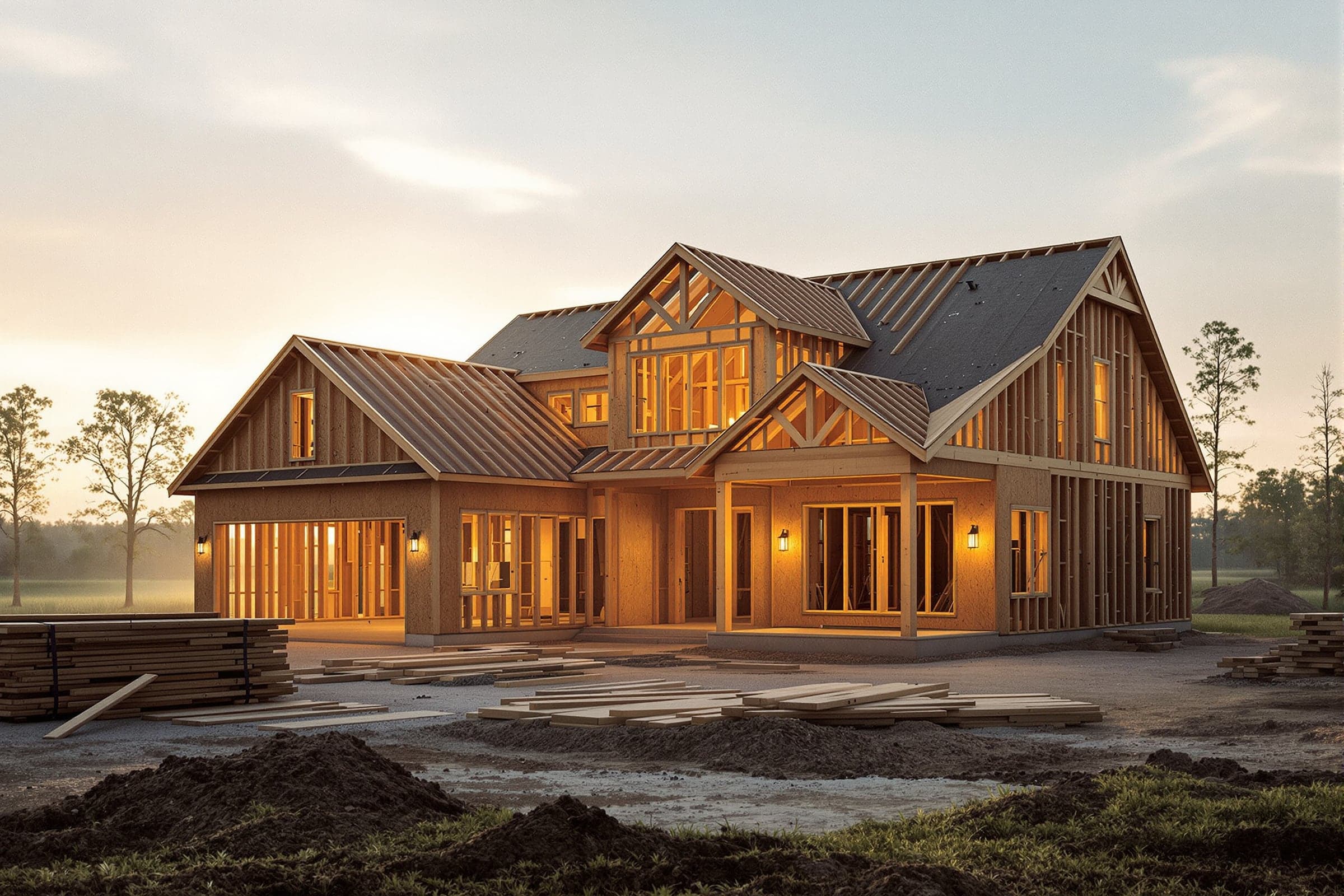
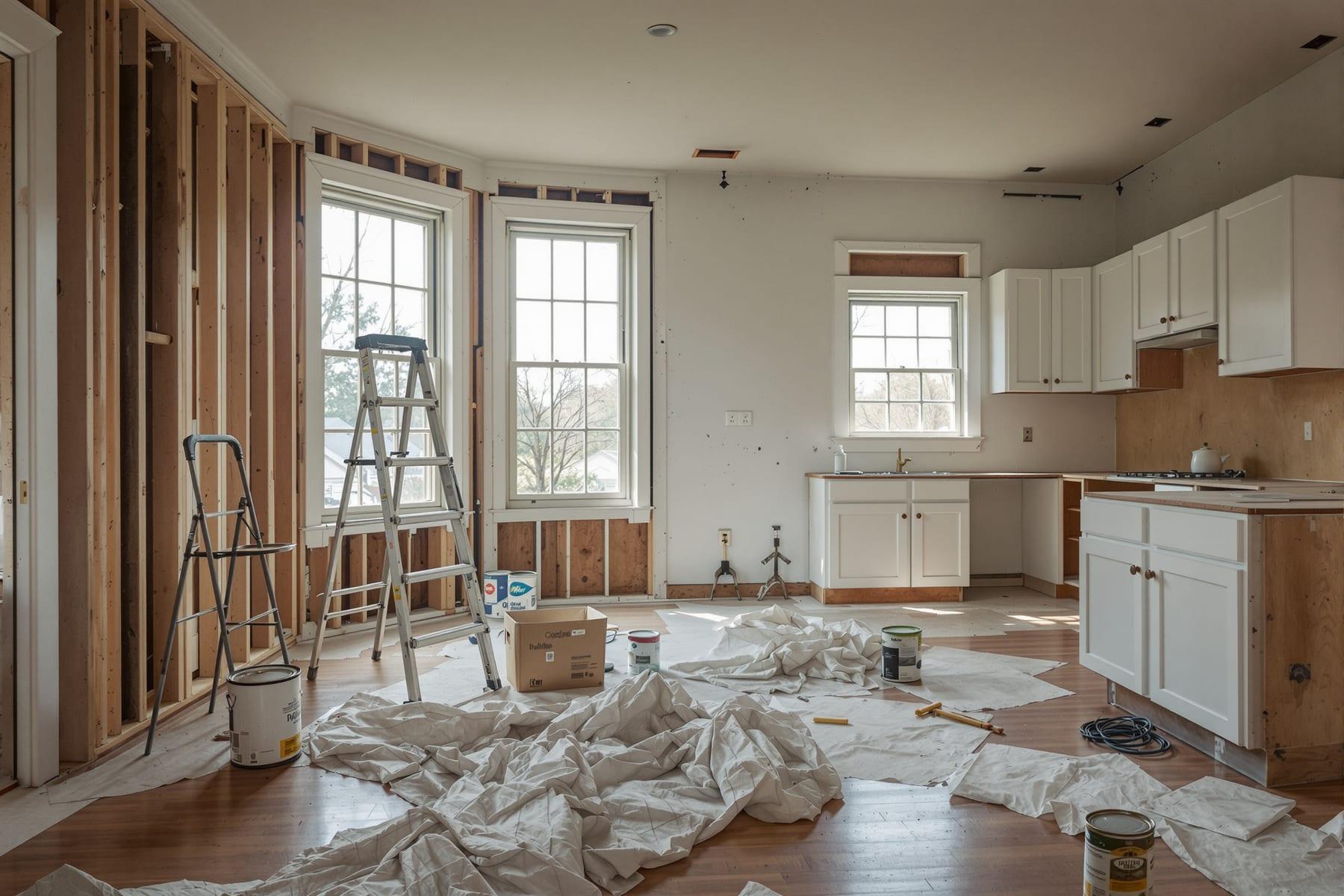
The house near the Woodstock Square has the porch, the trim, and the location. It also has a 1970s kitchen, a tired roof, and a price that reflects both. A renovation loan, such as Fannie Mae's HomeStyle renovation loan or an FHA 203(k) loan, lets you finance the purchase and the repairs in a single mortgage based on what the home will be worth when the work is done. Here is how the options compare.
 Home State Bank mortgage teamCrystal Lake, IL · Appleton, WI · NMLS 478452Updated September 15, 20268-minute read
Why a fixer-upper mortgage is its own category
A standard mortgage lends against the home as it sits today. That creates two problems with a fixer-upper. The house may not pass an appraisal in its current condition, and even if it does, you still need cash for the renovation right after spending your savings on the down payment.
Renovation loans solve both. The lender orders an appraisal that estimates the value after the planned improvements, lends against that figure, and holds the renovation money in an account that is paid out as the work is completed. The older neighborhoods of Woodstock, Crystal Lake, Appleton, and Neenah are full of well-built homes from the first half of the last century, which is exactly where these loans earn their keep.
How the HomeStyle renovation loan works
HomeStyle Renovation is a Fannie Mae conventional mortgage, available for a purchase or a refinance. Under Fannie Mae's Selling Guide, renovation costs on a purchase can be up to 75% of the lesser of the purchase price plus renovation costs or the as-completed appraised value (50% for manufactured homes). The improvements must be permanently affixed to the property, and the work must be finished within 15 months of closing.
It is the more flexible of the two agency programs. It can be used on one- to four-unit primary residences, one-unit second homes, and one-unit investment properties. Luxury improvements are allowed, as are garages and accessory dwelling units where local zoning permits them. A complete tear-down and rebuild is not. The lender must review and approve the renovations in advance, and lenders need special approval from Fannie Mae to deliver these loans before the work is finished, which is one reason not every lender offers them.
FHA 203(k) loan: Standard and Limited
The FHA 203(k) loan is the government-insured version. It carries FHA's lower down payment and more forgiving credit standards, along with FHA mortgage insurance. It comes in two sizes.
The Limited 203(k) covers minor remodeling and nonstructural repairs. In 2024, HUD raised its cap on total rehabilitation costs from $35,000 to $75,000, effective for FHA case numbers assigned on or after November 4, 2024, and said the cap will be reviewed each year alongside FHA loan limits. A 203(k) consultant is optional, the work must be completed within nine months, and the repairs cannot keep you out of the house for more than 30 days in total.
The Standard 203(k) is for major work, including structural repairs and additions. It requires at least $5,000 in repairs and an FHA-approved 203(k) consultant. The same 2024 update allows up to 12 months for completion and lets the loan finance up to 12 months of mortgage payments for the period the home cannot be occupied. In both versions, the total loan must still fit within the FHA loan limit for the county.
Renovation loan options side by side
Agency renovation loans are not the only path. If you already own the home and have equity, a second lien may be simpler. If the project is large or unusual, a local bank's construction or portfolio loan may fit better.
| Option | Best for | Based on | Key limits | Watch for |
|---|---|---|---|---|
| Fannie Mae HomeStyle Renovation | Buyers or owners with solid credit; second homes and one-unit rentals allowed | As-completed value | Renovation up to 75% of the lesser of price plus costs or as-completed value; 15 months to finish | Not every lender offers it; plans must be approved in advance |
| FHA Limited 203(k) | Owner-occupants with smaller, nonstructural projects | As-completed value | Up to $75,000 in rehabilitation costs; nine months to finish | FHA mortgage insurance; no structural work |
| FHA Standard 203(k) | Owner-occupants facing major or structural work | As-completed value | At least $5,000 in repairs; total loan within the county FHA limit; 12 months to finish | Consultant required; more paperwork and fees |
| Home equity loan or HELOC | Current owners with equity who like their first mortgage | Today's value | Limited by your existing equity | Does not help a buyer; HELOC rates are usually variable |
| Local bank construction or portfolio loan | Large additions, gut rehabs, unusual properties, projects outside agency rules | Plans, budget, and as-completed value | Set by the lender's own underwriting | Terms vary by bank; often interest-only during the work |
How as-completed appraisals and contractor draws work
Every renovation loan starts with a written scope: a contractor's bid that lists the work, materials, and price, plus plans if walls are moving. The appraiser receives that package and gives an opinion of what the home will be worth once the work is complete. The loan amount is built from that as-completed value.
At closing, the seller is paid and the renovation money goes into a holding account. The contractor does not get it all up front. As each stage is finished, the contractor requests a draw, an inspection confirms the work is in place, and the lender releases that portion. A contingency reserve is usually set aside for surprises, and in a 100-year-old house there is always a surprise.
- Get bids from licensed, insured contractors who are comfortable with draw schedules; some are not
- Expect the lender to review the contractor's credentials and the contract
- Do-it-yourself work is restricted under these programs; HomeStyle caps it at 10% of the as-completed value
- Pull permits. Lenders and appraisers will ask, and so will your future buyer
When a home equity loan, HELOC, or local construction loan is the better tool
If you already own the home, have equity, and hold a first mortgage at a rate you would hate to lose, a HELOC or home equity loan leaves that mortgage alone. Our guide to a home equity loan vs. HELOC vs. cash-out refinance compares the three.
For bigger projects, such as a second-story addition in Crystal Lake, a gut rehab of a Neenah duplex, or a house that needs so much work an agency appraisal will struggle with it, a local construction-style loan works much like building new. The bank reviews the plans and budget, funds the work in draws with inspections, and converts to a permanent mortgage when the project is finished. Because the bank keeps the loan, the underwriting can weigh the whole picture instead of a program checklist. Our construction-to-permanent loan guide explains the mechanics.
Questions people ask
- What is the difference between a HomeStyle renovation loan and an FHA 203k loan?
- HomeStyle is a conventional Fannie Mae loan with stronger credit expectations, no FHA mortgage insurance, and eligibility for second homes and one-unit investment properties. The 203(k) is FHA-insured, easier on credit and down payment, and carries FHA mortgage insurance.
- How much can I borrow on a Limited 203(k)?
- Total rehabilitation costs on a Limited 203(k) can be up to $75,000, a cap HUD raised from $35,000 in 2024. The work must be nonstructural, and the overall mortgage must stay within your county's FHA loan limit.
- Can I do the renovation work myself?
- Only in a limited way. HomeStyle permits do-it-yourself work up to 10% of the as-completed value with lender approval, and lenders generally expect licensed contractors for everything else. The finished house is the collateral, so the work has to be done on time and to code.
- Can I use a renovation loan on a house I already own?
- Yes. Both HomeStyle and 203(k) can be used to refinance and renovate. If you have substantial equity and a good first-mortgage rate, compare that against a HELOC or home equity loan first.
- Does a renovation loan take longer to close?
- Usually, because the contractor's bid, plans, and as-completed appraisal all have to be in hand before approval. Line up your contractor early and write your offer with a realistic closing date.
Sources
- Fannie Mae Selling Guide B5-3.2-01, HomeStyle Renovation Mortgages
- Fannie Mae Selling Guide B5-3.2-02, HomeStyle Renovation: Loan and Borrower Eligibility
- HUD Mortgagee Letter 2024-13, Revisions to the 203(k) Rehabilitation Mortgage Insurance Program
- HUD: 203(k) Rehabilitation Mortgage Insurance Program Types
This article is general information, not financial, tax, or legal advice, and not a commitment to lend. Program terms, limits, and rates change; confirm current figures with a loan officer. Home State Bank, N.A. NMLS 478452. Member FDIC · Equal Housing Lender.