Buying a duplex and living in half: a lender's guide to house hacking with FHA, conventional, and VA loans
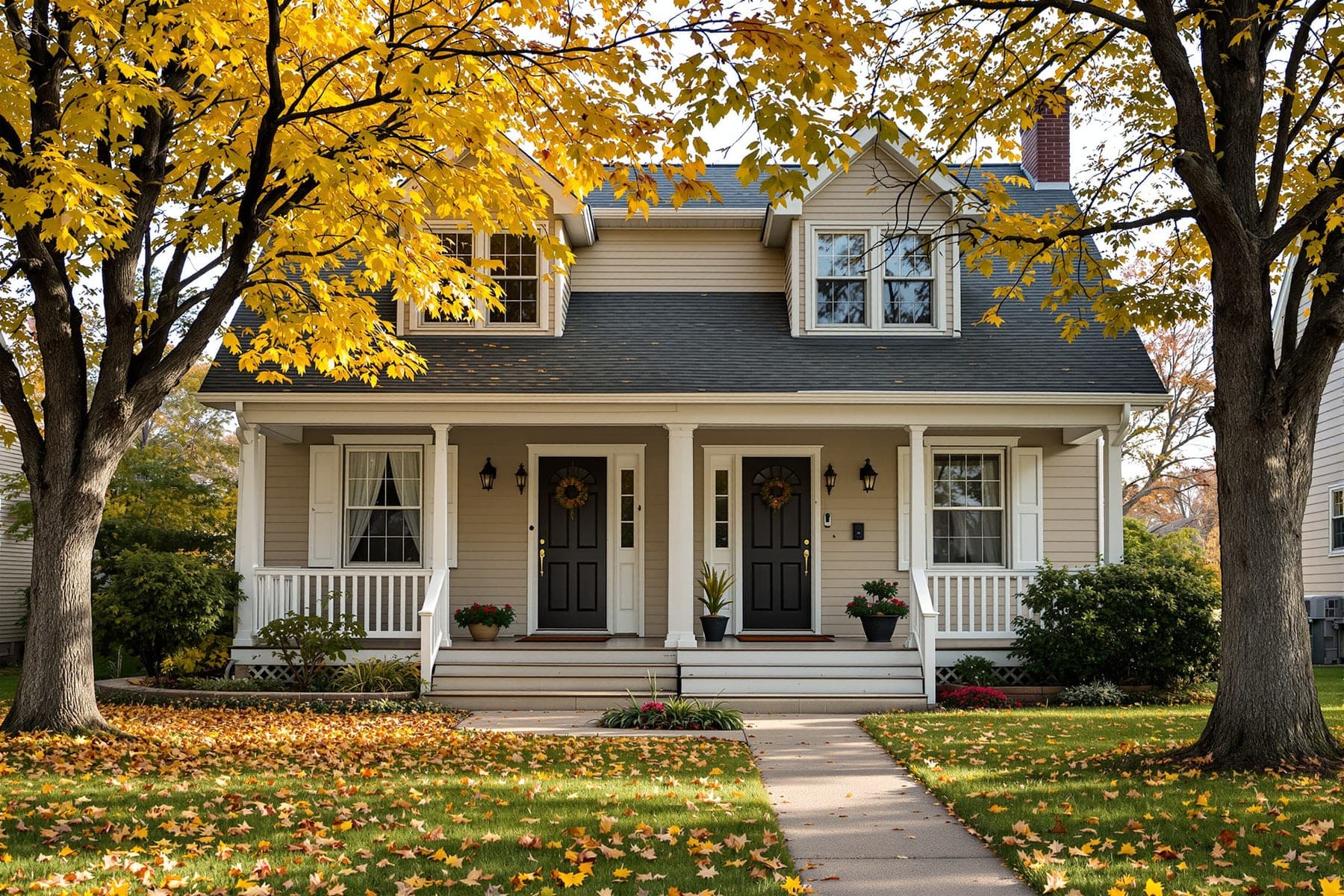
Buying a duplex and living in one unit is the oldest form of house hacking: the tenant next door helps pay your mortgage. Because you live there, you get owner-occupied financing, with down payments as low as 3.5% or 5% instead of the 25% an investor pays. Here are the rules for two- to four-unit homes in 2026, a worked example, and what to know about the older duplexes in McHenry County and the Fox Valley.
 Home State Bank mortgage teamCrystal Lake, IL · Appleton, WI · NMLS 478452Updated September 13, 20268-minute read
Why buying a duplex as an owner-occupant changes the math
Lenders sort loans by occupancy. A two- to four-unit building bought purely as an investment requires 25% down under Fannie Mae's eligibility matrix, and it carries investment pricing. The same building bought as your primary residence qualifies for the low down payment programs built for homeowners. The one firm requirement is that you actually move in, generally within 60 days of closing, and intend to live there for at least a year.
A property with up to four units is residential. Five or more is commercial and a different kind of loan entirely. So a duplex, triplex, or fourplex is as far as house hacking goes on a home mortgage.
FHA multifamily: 3.5% down, and the self-sufficiency test
FHA insures loans on one- to four-unit primary residences with 3.5% down for borrowers who meet its credit requirements. On a duplex, FHA lets the lender count rent from the other unit as income, based on the lease or the appraiser's estimate of fair market rent, reduced by 25% to allow for vacancy and maintenance.
Triplexes and fourplexes face an extra hurdle called the self-sufficiency test. The appraiser's fair market rent for all units, including the one you will live in, is reduced by 25% (or by the appraiser's vacancy figure, if higher), and the result must equal or exceed the full monthly payment of principal, interest, taxes, insurance, and mortgage insurance. If a triplex has three units at $1,500, the test allows a payment up to $3,375. In high-property-tax areas such as McHenry County, some three- and four-unit buildings fail this test at the minimum down payment, and the fix is a larger down payment or a different loan. FHA also requires three months of payments in reserves on three- and four-unit purchases.
The conventional multi family home loan: 5% down
Since November 2023, Fannie Mae has allowed up to 95% financing on two- to four-unit primary residences for loans approved through its automated underwriting system. That means 5% down on a duplex, triplex, or fourplex, where the old rules required 15% to 25%. The change does not apply to manually underwritten loans or to high-balance loans in high-cost areas. None of our Illinois or Wisconsin home counties is high-cost, so that last exception rarely matters here.
Conventional loans have no self-sufficiency test, and private mortgage insurance can be removed once you build enough equity, which FHA mortgage insurance generally cannot on a minimum-down loan. In exchange, conventional underwriting is more sensitive to credit scores, and Fannie Mae requires six months of reserves on a two- to four-unit primary residence. As a Fannie Mae direct seller, we can run both options side by side.
How projected rent counts, reserves, and the VA option
Under both programs the starting point is 75% of the gross rent, documented by existing leases or by the appraiser's rent schedule. Fannie Mae's Selling Guide adds conditions: you generally need to document your current housing payment, and a borrower without at least a year of property management experience may be limited in how much of the rental income can be used. Ask your loan officer to run your numbers under the current guide before you shop, because this rule decides your price range.
Reserves are the other gate: six months of the full payment for conventional, three months for FHA on three- and four-unit buildings, in accounts you can document. Retirement accounts can often count toward reserves even if you never touch them. Separately, keep your own cash cushion for the first vacancy and the first water heater, because the lender's minimum is not a maintenance budget.
Eligible veterans and service members have a third choice. A VA loan can finance a property with up to four units as long as the veteran occupies one, and with full entitlement there is no down payment requirement. VA's guidelines are more cautious about counting rent from the other units: lenders generally look for evidence that you can succeed as a landlord and for cash reserves before including that income. Every unit must also meet VA's minimum property requirements, which matters in older buildings.
2026 loan limits for two- to four-unit homes
Loan limits rise with the unit count. These are the 2026 baseline conforming limits from the Federal Housing Finance Agency and the FHA floor limits from HUD. Our home counties, including McHenry in Illinois and Outagamie and Winnebago in Wisconsin, are at the baseline conforming limit. FHA limits are set county by county, so confirm the FHA figure for your county with your loan officer.
| Units | Conforming (Fannie Mae and Freddie Mac) | FHA floor |
|---|---|---|
| One | $832,750 | $541,287 |
| Two | $1,066,250 | $693,050 |
| Three | $1,288,800 | $837,700 |
| Four | $1,601,750 | $1,041,125 |
A worked example: house hacking a $400,000 duplex
Assume a $400,000 duplex, FHA financing with 3.5% down, and an example rate of 6.5% on a 30-year fixed loan. The rate is a round hypothetical for illustration, not an offer or a current quote. Taxes are estimated at 2.4% of value, a McHenry County planning number, and the tax line on a Fox Valley duplex would differ. The second unit rents for $1,700.
| Line | Amount |
|---|---|
| Down payment (3.5%) | $14,000 |
| Loan amount including the 1.75% upfront mortgage insurance premium | $392,755 |
| Principal and interest | $2,483 |
| Annual mortgage insurance premium at 0.55%, paid monthly | $177 |
| Property taxes (estimated at 2.4% of value) | $800 |
| Homeowners insurance (estimate) | $150 |
| Total monthly payment | $3,610 |
| Rent from the second unit | $1,700 |
| Rent a lender may count (75%) | $1,275 |
| Your cost after actual rent, before repairs and vacancy | $1,910 |
Landlord realities in older McHenry County and Fox Valley duplexes
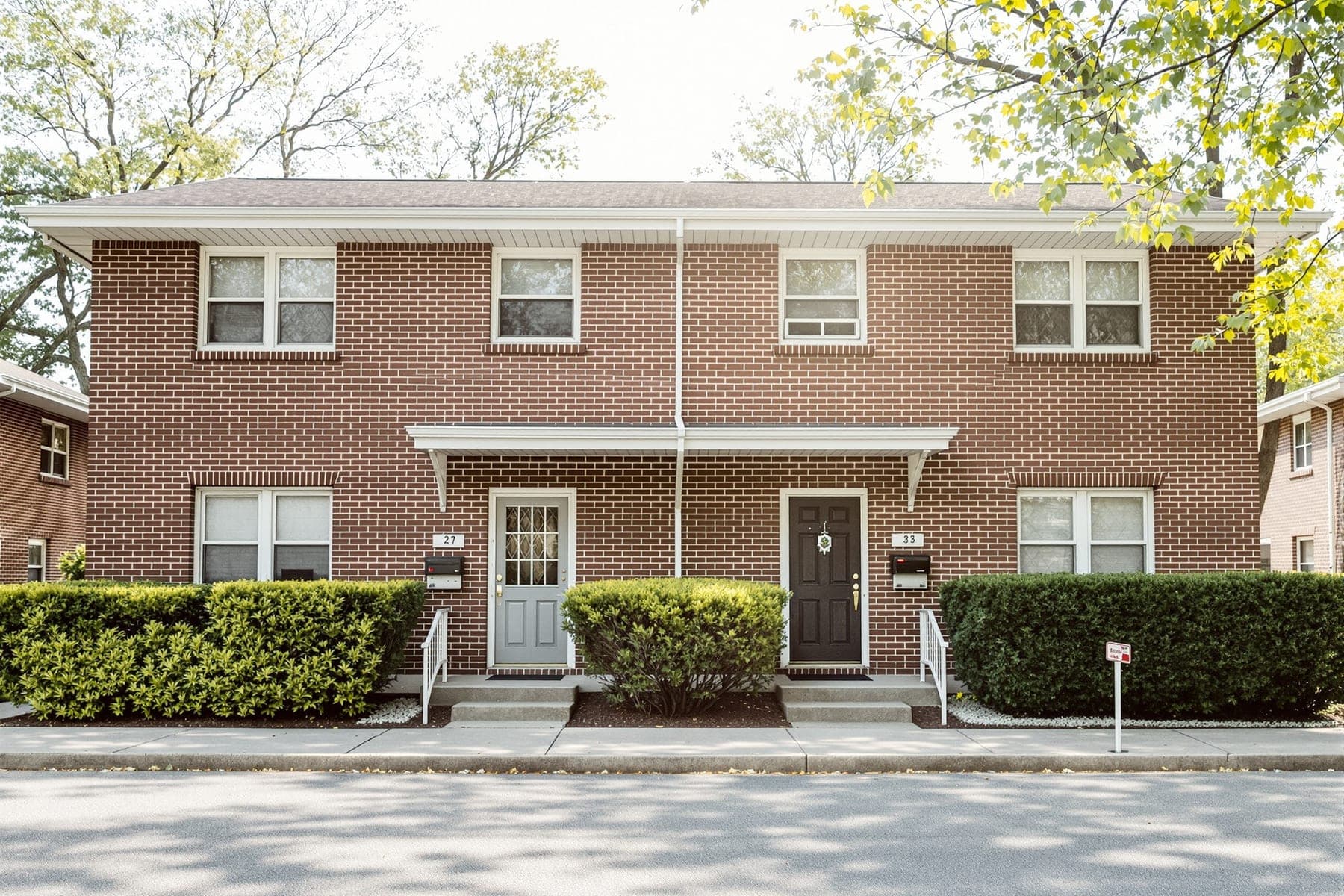
Most two- to four-unit buildings in our markets are old. You find them near downtown Woodstock, Crystal Lake, McHenry, and Harvard, and in the older neighborhoods of Appleton, Neenah, Menasha, Oshkosh, and Kaukauna. Many were built before 1978, which triggers federal lead-based paint disclosure rules for both the sale and your future leases. FHA and VA appraisers will flag items such as peeling paint, missing handrails, and utilities that do not work, and those repairs generally must be finished before closing.
Check the practical items as well. Are there separate furnaces, water heaters, and electric meters, or will you be paying your tenant's utilities? Is the use legal under current zoning, and does the municipality require rental registration or inspection? Does the existing lease, which you inherit, match the rent the seller claims? We see these buildings regularly and would rather raise the issues at pre-approval than at the appraisal. For an unusual building that does not fit agency rules, ask whether a portfolio loan is an option.
- Get copies of current leases and proof of rent received before your inspection period ends
- Budget for vacancy and repairs from day one by setting aside a share of every rent check
- Price landlord insurance, which differs from a standard homeowner policy
- Learn your state's security deposit and notice rules before you sign your first lease
Questions people ask
- Can I buy a duplex with an FHA loan?
- Yes. FHA multifamily financing covers two- to four-unit homes with 3.5% down if you live in one unit. Rent from the other unit can help you qualify. Three- and four-unit buildings must also pass FHA's self-sufficiency test.
- How much do I need to put down when buying a duplex?
- As an owner-occupant, as little as 3.5% with FHA, 5% with a conventional loan approved through Fannie Mae's automated underwriting, and potentially nothing with a VA loan if you are eligible. Investors who will not live there should plan on 25%.
- What is house hacking?
- House hacking means buying a small multi-unit property, living in one unit, and renting the others so the rent offsets your housing cost. The financing advantage is that the building counts as your primary residence.
- Does rental income count when I apply for a multi family home loan?
- Usually 75% of the documented or appraiser-estimated rent can be considered, subject to program rules. Fannie Mae may limit it for borrowers without landlord experience, and VA looks for reserves and evidence you can manage a rental.
- How long do I have to live in the duplex?
- Owner-occupied loans generally require you to move in within 60 days and intend to occupy the home as your primary residence for at least one year. After that, many owners keep the building as a rental and buy their next home.
Sources
This article is general information, not financial, tax, or legal advice, and not a commitment to lend. Program terms, limits, and rates change; confirm current figures with a loan officer. Home State Bank, N.A. NMLS 478452. Member FDIC · Equal Housing Lender.